Food & Beverage Packaging
Checkweighing, dynamic OIML R76 dosing scales, and product-inspection lines with HACCP records.
Industries
Each industry below uses the same discipline differently: define the reading, protect the record, and keep the instrument serviceable in the field.
Checkweighing, dynamic OIML R76 dosing scales, and product-inspection lines with HACCP records.
Analytical balances, dispensing scales, and load-cell systems qualified for GMP batch records.
Truck-scale, conveyor belt and silo-load weighing for material balance reporting and shipment custody.
Force gauges, torque verification and tension testing tied to AQL and statistical process control.
NTEP/MID-class trade scales, jewelry balances, and counting scales calibrated under legal-metrology rules.
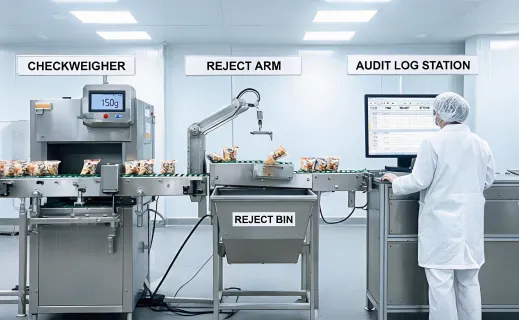
A snack or beverage line may run fast enough that a manual weight check cannot protect every pack. A checkweigher with a clear reject confirmation, documented target weight, and scheduled verification can provide the evidence quality teams need when a lot is reviewed.
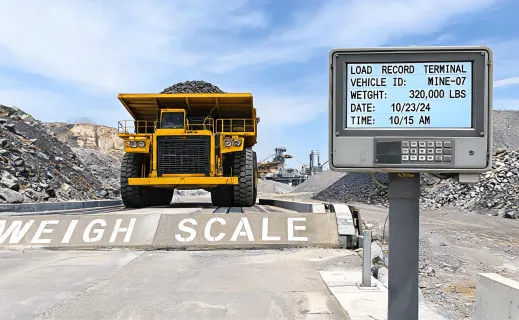
Bulk logistics and mining sites depend on scales that can withstand weather, traffic, and rough loading. The instrument choice must account for capacity, foundation, indicator location, and how shipment reports are reconciled at the end of the shift.
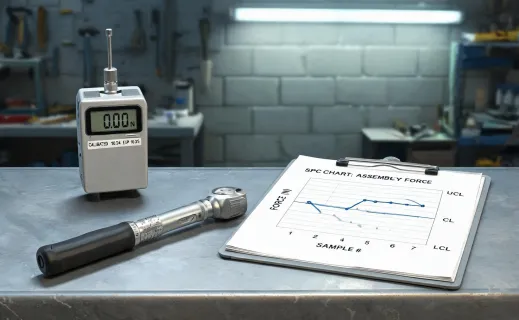
Quality control teams often need force or torque values that support AQL sampling and statistical process control. A practical setup defines the fixture, reading method, and tolerance before the value is added to a production record.
Industry fit is not a marketing label for Rice Lake. It is a way to reduce ambiguity before a product is selected. In regulated packaging, the conversation tends to start with throughput, reject handling, and record retention. In pharmaceutical work, qualification language and GMP expectations shape the balance or load-cell system. In mining and logistics, capacity, ruggedness, and custody reporting may matter more than fine laboratory resolution. Retail and jewelry applications add legal-for-trade expectations, where NTEP or MID status cannot be treated as an afterthought.
The same method applies to less visible industrial quality work. Force gauges, torque tools, and tension checks can appear simple until the process asks whether the fixture, operator method, or calibration status changed the reading. Rice Lake content keeps those questions in front of the buyer. A quote request is stronger when it includes the application, environment, tolerance, reporting requirement, and region. That information lets the recommendation point toward a category, a service path, and the evidence required after installation.
Describe the industry use case and Rice Lake can help align measurement range, approval notes, and service documentation.
Review an Application